
Photo credits
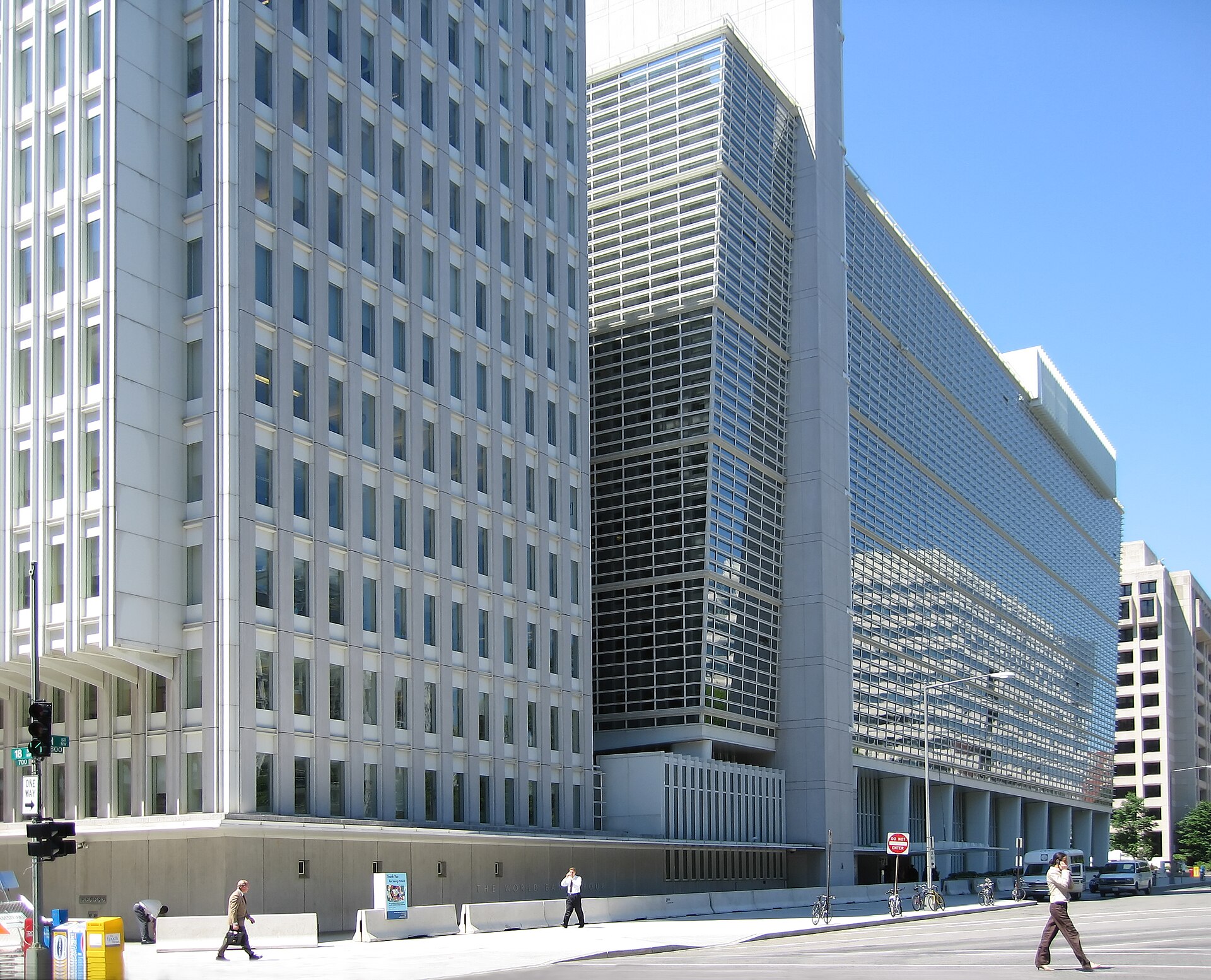
Photo: Shiny Things / CC BY 2.0; resized and cropped.A World Bank report released on 24 February 2026 highlighted a large gap between women’s economic rights on paper and their implementation. Reuters’ coverage described how weak enforcement and institutional support limit the effect of legal reforms.
Three measures, three different questions
The World Bank’s account gave an average score of 67 out of 100 for legal frameworks, 47 for supportive systems and 53 for enforcement. The enforcement assessment drew on legal experts’ views. These are report indicators, not a literal percentage of each woman’s individual rights or a direct audit of every workplace.
The distinction makes the findings more useful. A law can prohibit discrimination while practical barriers still prevent someone from using that protection. Services, institutions and enforcement have to be considered alongside the wording of legislation.
What meaningful progress would involve
For WDWK, the report suggests a useful test for equality initiatives: does a reform make rights easier to exercise in everyday life? We would look for accessible information, workable support and institutions capable of responding when protections are denied. Those are editorial priorities drawn from the report’s framework, rather than a claim that any single policy has already solved the gap.
The report provides a documented starting point for measuring progress and asking more precise questions about women’s opportunity.
Sources and reporting note
- Reuters · 24 February 2026: Gender-equality enforcement gap
- World Bank · Women, Business and the Law 2026 findings
An original WDWK summary of the linked reporting and primary documents. Historical event dates are separate from this article’s publication date. Photography is credited above and provides archive or contextual illustration.



