
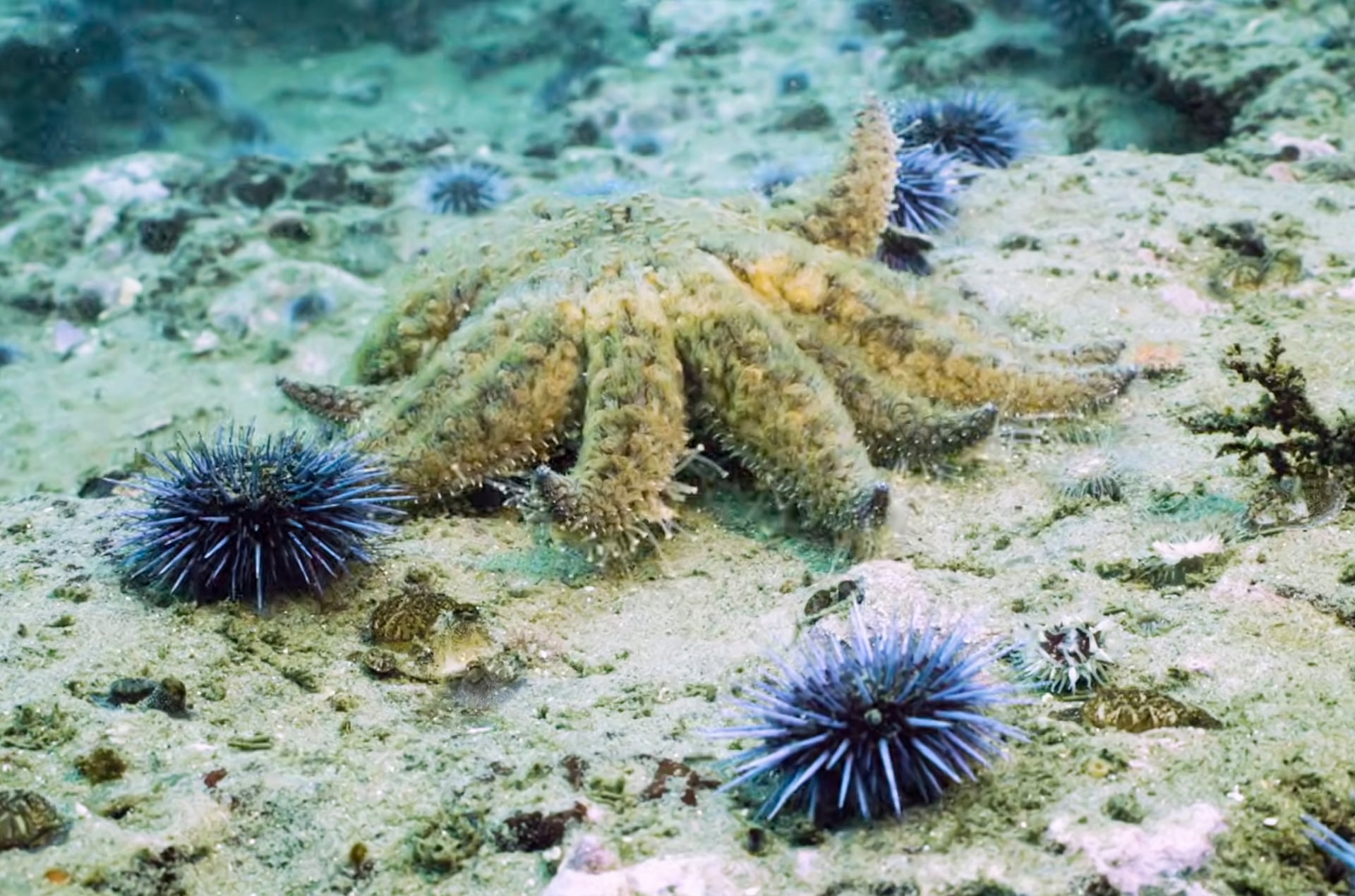
One of the more unexpected recruits to California’s kelp recovery effort comes with up to 24 arms. The sunflower sea star is a predator of sea urchins, and researchers are testing whether bringing it back could help damaged underwater forests recover.
The idea follows a food chain with very visible consequences. Urchins graze on kelp. Sea stars eat urchins and can affect their behaviour. Returning that predator could help reduce grazing pressure, giving young kelp a better chance to grow.
Climate Central’s reporting from Monterey describes the severe loss of sunflower sea stars amid a marine heatwave and sea star wasting disease. The researchers’ response is to raise a new generation and study how those animals behave in coastal water.
A comeback that starts in tanks
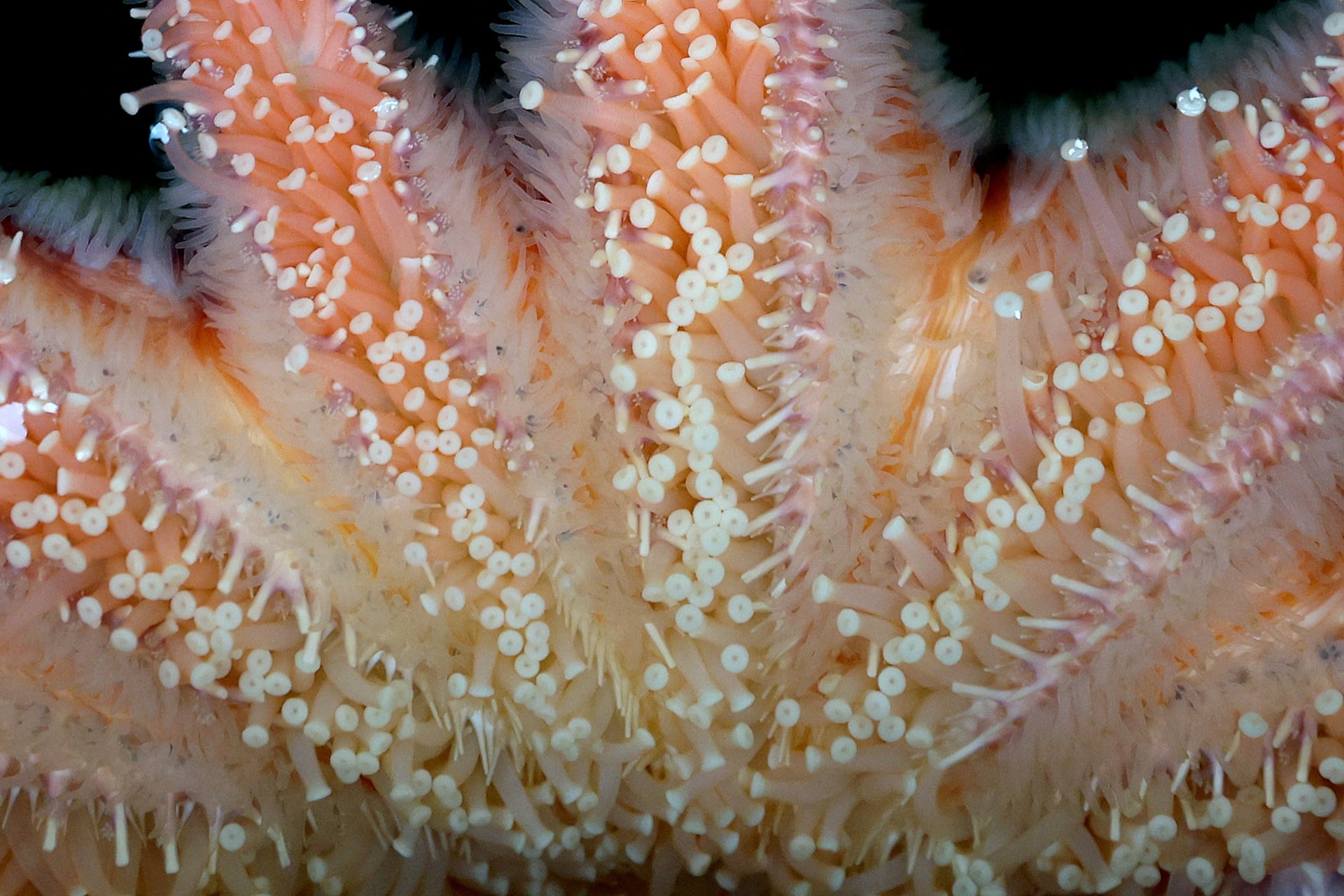
The Sunflower Star Laboratory is growing juveniles in controlled saltwater systems. The work involves more than housing the stars: the facility also grows microalgae and purple urchins to support its animals.
There is even a small romantic footnote. The laboratory says its animals come from the Cupid Cohort, fertilised on Valentine’s Day in 2024 using material from adult sunflower sea stars held at partner aquariums. For a species facing a difficult future, successfully raising another generation is an essential starting point.
Testing a return, step by step
The laboratory’s development plan separates cultivation and research trials from eventual reintroduction at scale. It describes work on growing more animals, studying outplanting and developing the monitoring needed to assess future releases.
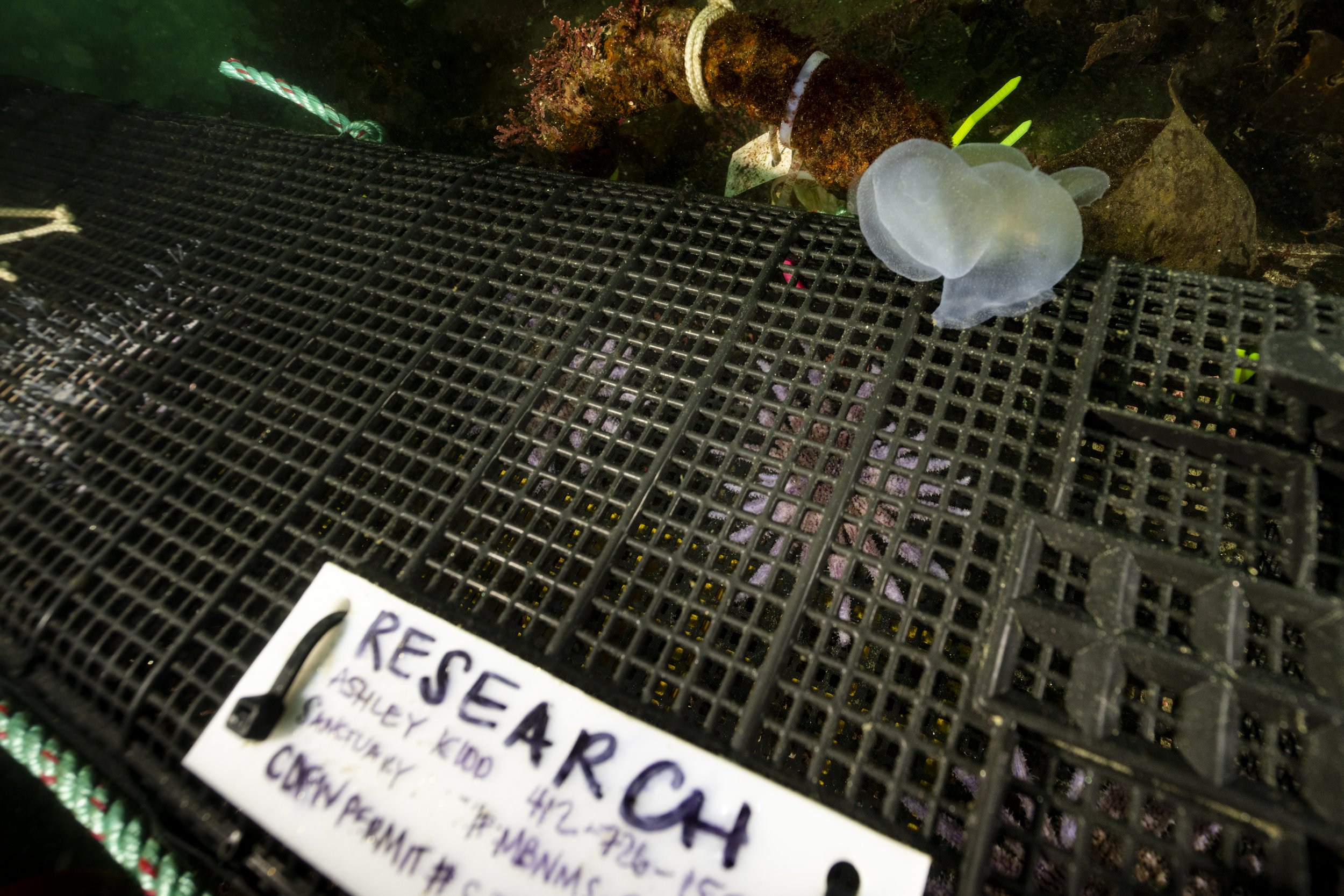
Current field experiments briefly release lab-raised stars and monitor their movements and local urchin responses. Those controlled tests are intended to provide evidence for the next stage. They do not establish that permanent reintroduction or widespread kelp recovery has already happened.
The research imagery also has a timeline: the laboratory’s plan shows temporary outplantings in Monterey Harbor in 2025. That photograph documents an earlier study, while the present work continues towards a larger restoration goal.
The hopeful part is the possibility of restoring a missing relationship between predator, grazer and kelp. The outcome still has to be tested. For now, this many-armed animal has a promising role in the experiment.


