
Photo credits
Photo: Rosiestep / resized and cropped; adapted image licensed CC BY-SA 4.0.Source-based climate feature · Sources checked 5 October 2026.
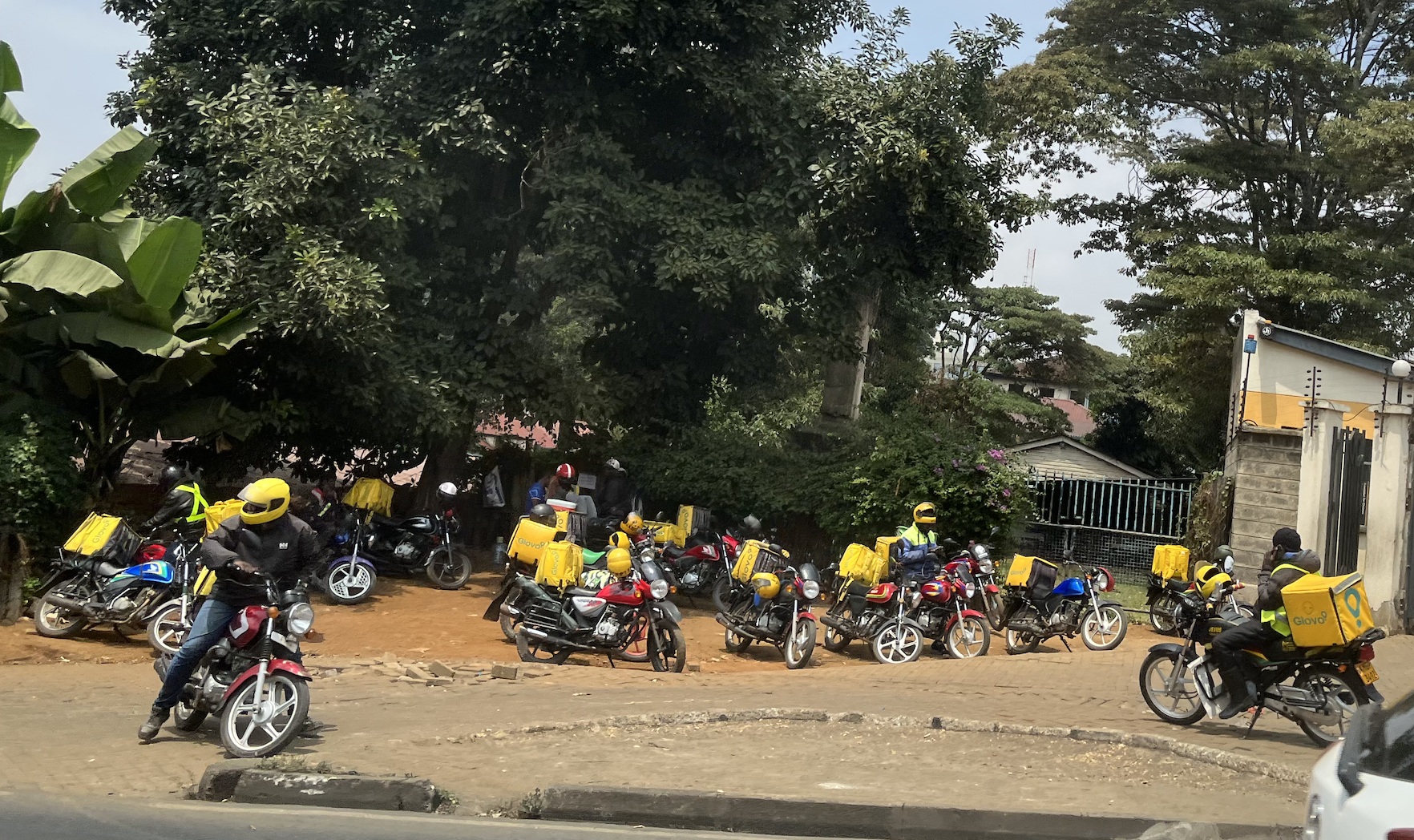
A motorcycle taxi is more than a vehicle. For many Nairobi riders, it is the business itself: a way to carry passengers, make deliveries and earn a daily income. That makes electric motorcycles an unusually practical test of climate action. The question is whether a cleaner ride also makes commercial sense.
In a 2 October 2026 report, the UN Environment Programme described riders changing from petrol motorcycles to electric models, alongside a growing electric-bus market. The agency reports that lower running costs are an important attraction, while the purchase price can still be a barrier.
Swap the battery, keep working
Battery swapping addresses two different problems. A rider can exchange a depleted battery for a charged one, reducing the time spent waiting to recharge. Some providers also retain ownership of the battery, lowering the initial price of the motorcycle and charging for its use.
Those models are described in UNEP’s Nairobi reporting. Their commercial appeal depends on the recurring fee, the availability of stations and the reliability of the service. A low purchase price alone says little about the total cost of earning a living with the bike.
Climate action needs an operating system
UNEP’s electric-mobility programme supports policy, technical work and pilot projects in low- and middle-income countries. Its scope includes electric two- and three-wheelers as well as buses. It treats transport change as an infrastructure and policy task, not simply a vehicle sale.
That distinction matters in a city where riders need charging or swapping facilities near the routes they already use. Power supply, maintenance skills, finance and workable standards all belong in the same picture. A bike that spends too long unavailable cannot do its job, however efficient its motor is.
What should count as progress?
A useful assessment would track kilometres driven, whole-life costs, dependable service and emissions from the electricity used. It should also distinguish vehicles already operating from orders or forecasts. Company estimates about savings and future sales are useful evidence about their plans, but need independent measurement before becoming claims about the whole city.
Nairobi’s story offers a concrete climate-action idea: begin with the work people already need transport to do. Battery swapping may help connect that daily demand to electrification. Its success will be measured in journeys completed and costs sustained, as well as vehicles sold.



