
Photo credits
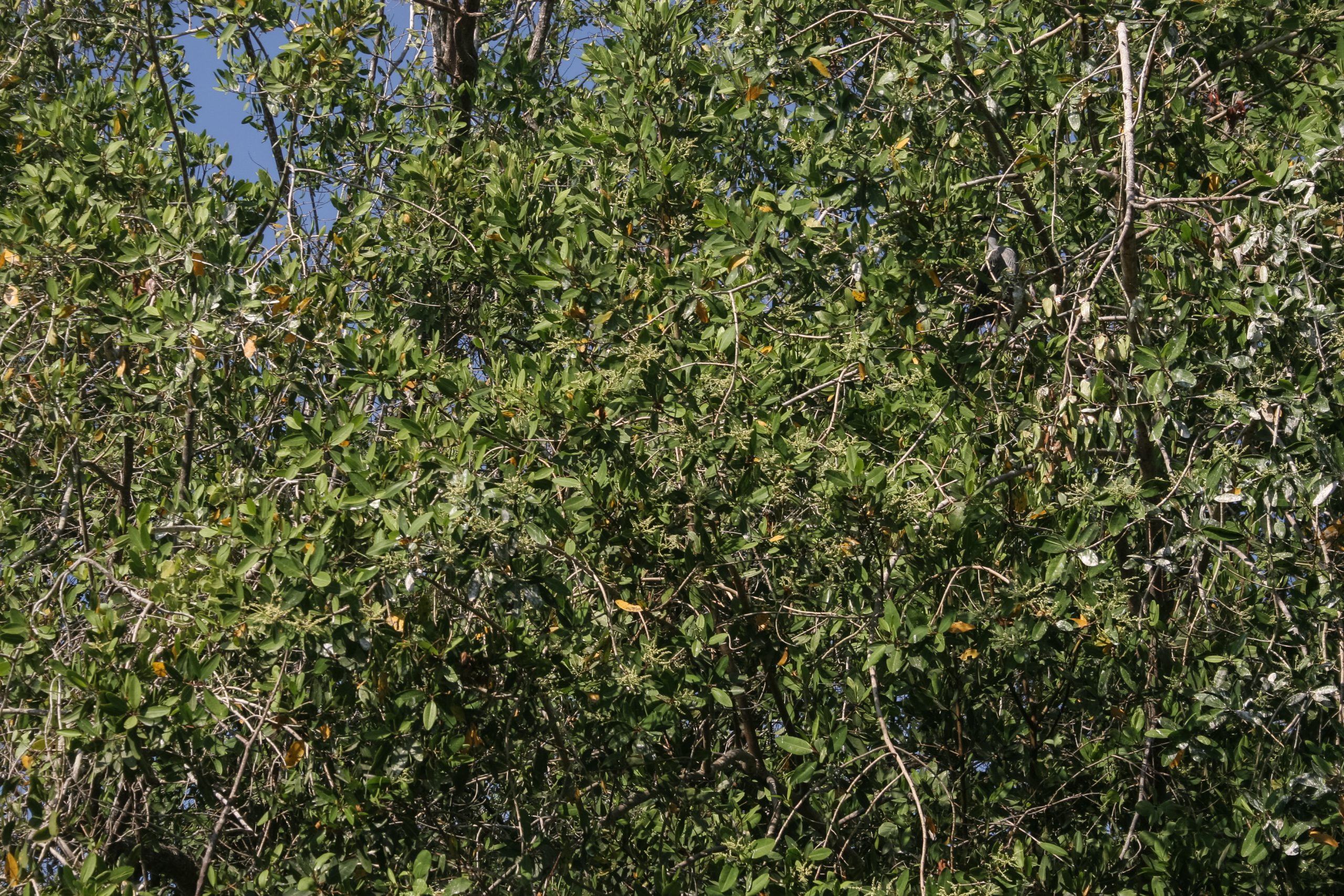
Photo: © Tomas Castelazo, www.tomascastelazo.com / Wikimedia Commons / resized and cropped; adapted image licensed CC BY-SA 4.0.News update · Panama and the Americas · Congress held 20–23 July 2026
Restoring a coastal forest takes more than counting newly planted trees. UNESCO’s August update on the MangRes initiative describes a regional approach that combines ecological science, local knowledge and community participation. The report followed the third Congress on Mangroves of the Americas, held in Panama City from 20 to 23 July.
A regional network
The initiative works through seven biosphere reserves in Latin America and the Caribbean. Representatives at the congress shared experiences from Cuba, Colombia, El Salvador, Ecuador, Mexico, Panama and Peru. UNESCO says the programme connects restoration with participatory governance, training and monitoring.
The project overview records that MangRes began in 2022 and entered a further three-year phase in 2025. It is an ongoing programme, rather than a new initiative created by the July meeting.
The work beneath the headline
UNESCO describes mangroves as habitats that support biodiversity, store carbon and help protect coasts. Its project pairs ecological work with sustainable livelihoods and the participation of Indigenous and local communities, women and young people.
For a reader evaluating restoration claims, that is a useful change in emphasis. Planting is an activity; recovery is an outcome. Long-term evidence on habitat condition and how communities use and manage a site tells us more than a launch-day photograph. The programme’s own emphasis on monitoring acknowledges that difference.
What to watch
The next questions are practical: which ecological conditions are being restored, how progress is measured and whether communities can continue the work after an initial funding period. Reports that answer those questions make conservation easier to assess.
The positive development is cooperation built around specific places and people. The July gathering gave teams a way to exchange experience across borders. Whether that knowledge leads to lasting improvements remains the measure to follow, but the framework puts both science and local stewardship at the heart of the effort.
Sources and reporting note
- UNESCO: MangRes congress update, 12 August 2026, updated 7 September
- UNESCO: MangRes project overview
Prepared by WDWK from the published sources linked above, checked on 3 October 2026. This is an editorial summary, not a statement issued by the organisations concerned.



