
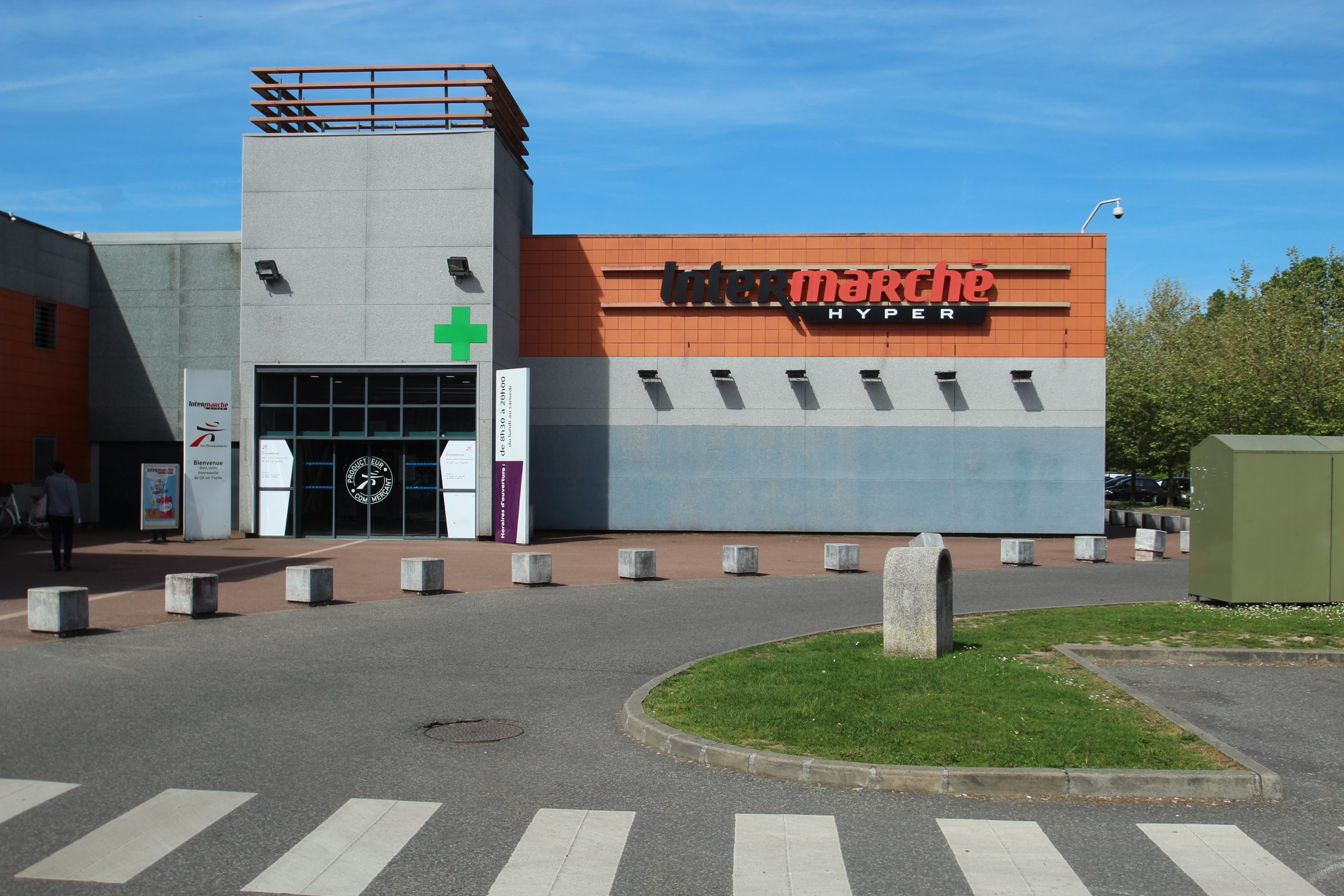
A cyberattack on refrigeration systems has forced French supermarkets to discard fresh and frozen food. Intermarché and Coopérative U confirmed disruption, while the Paris prosecutor has opened an investigation, AFP reported on Monday. The damage has reached the products on the shelves.
The attacker and the scale of the losses remain unclear. The confirmed food disposal gives the disruption a tangible consequence even before retailers or investigators provide a fuller account.
The systems that control physical equipment sit within a branch of cyber security known as operational technology. Britain’s National Cyber Security Centre describes these systems as interacting with the physical world, with safety, reliability and availability among their priorities. Protecting data is only part of that picture.
Connected equipment can bring benefits such as remote monitoring, but it also introduces risks. NCSC guidance highlights the importance of understanding connections, third-party suppliers and the possible impact of an intrusion. Those are general concerns for operational systems, rather than findings about how this French attack happened.
For a retailer, the cost of a disruption can be immediate: stock that cannot be sold, interrupted operations and equipment that needs to be restored. Food disposal is already a confirmed consequence here. Further failures could multiply those costs across shops, especially if they rely on a shared service. Refrigeration is usually an unnoticed part of a shopping trip. This attack has brought its digital dependence into view.



