
News update · Global energy · IEA report published 6 February 2026
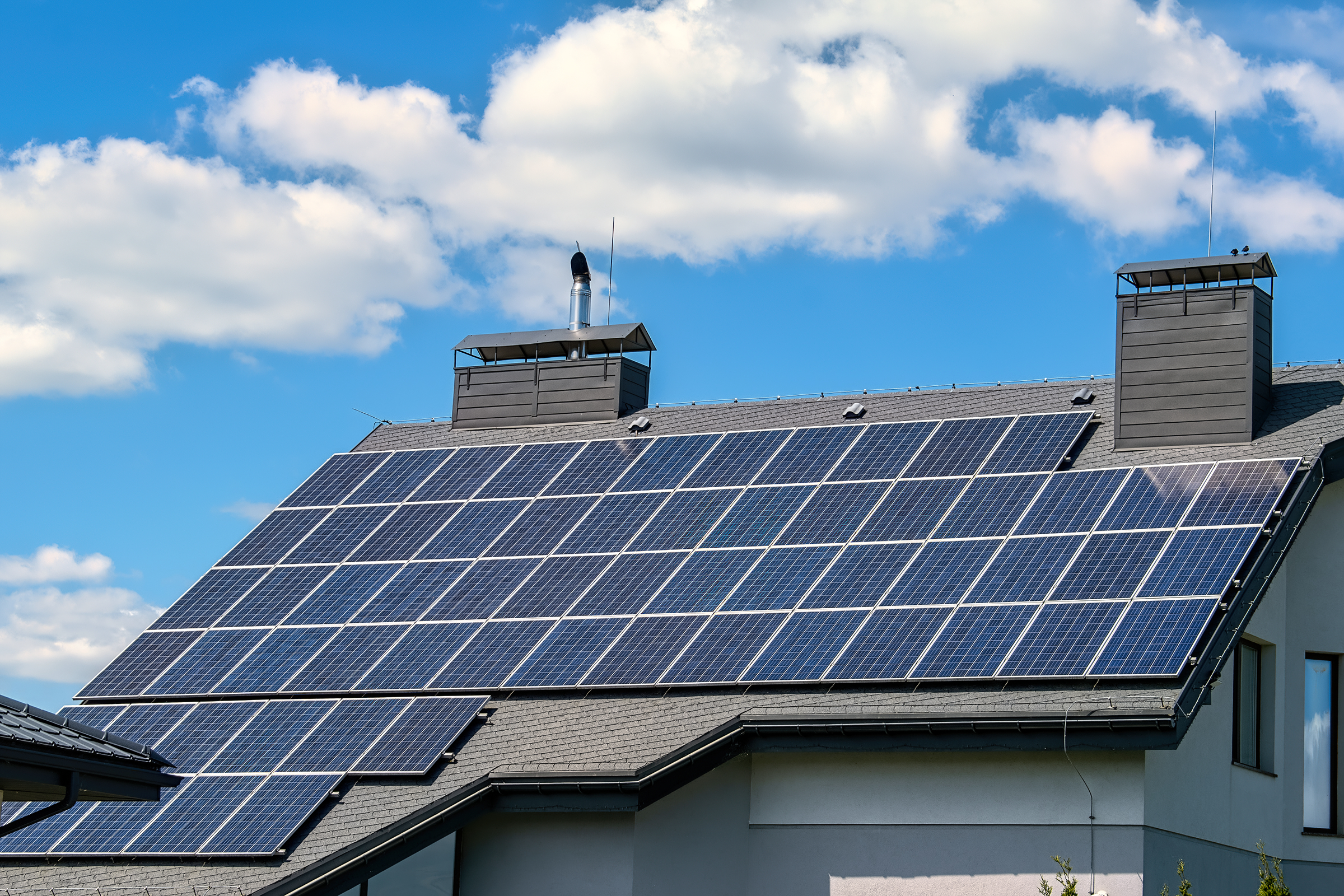
The encouraging energy story is about more than installing panels. In Electricity 2026, the International Energy Agency forecasts renewable electricity generation growing by around 1,000 terawatt-hours a year through 2030, with solar accounting for over 600 TWh. Renewables and nuclear together are projected to provide about half of global electricity generation by the end of the decade.
A forecast, not a finished transition
The IEA’s outlook also expects strong demand growth from industry, transport, cooling and data centres. Coal is still projected to be the largest individual fuel source for electricity in 2030, even as renewables collectively take a larger share.
Those points belong in the same story. Rising clean generation is meaningful progress, but the forecast should not be read as a claim that fossil-fuel electricity has disappeared or that every country is moving at the same pace.
Why the wires matter
The report puts grids and flexibility at the centre of the next phase. New generation only helps consumers if the system can connect it, move the power where it is needed and manage changing output and demand.
A household rarely sees the network planning behind a power connection. Yet that work can determine whether a project delivers electricity promptly or waits for an upgrade. Investment in infrastructure is therefore part of the clean-energy story, even when it produces fewer striking photographs than a solar farm.
What progress would look like
Readers can track this transition through actual generation, completed connections and the reliability of electricity service. Installed capacity is useful, but it is not the same measure as the energy produced over a year.
The IEA’s report overview explains that the outlook runs from 2026 to 2030 and includes chapters on grids, flexibility and demand response. The forecasts remain conditional on the developments assessed in that report. The positive takeaway is a substantial pipeline of cleaner power; the practical task is making the system ready to use it.
Sources and reporting note
Prepared by WDWK from the published sources linked above, checked on 3 October 2026. This is an editorial summary, not a statement issued by the organisations concerned.



