
A better harvest can fill market stalls while families still struggle to eat. Afghanistan’s latest food-security assessment describes exactly that gap: improved crop production alongside weak earnings and continuing hunger. On World Food Day, 16 October, it is a reminder that growing food and making a healthy diet affordable are inseparable challenges.
In its September 2026 update, the Famine Early Warning Systems Network, or FEWS NET, reported a favorable wheat harvest and surpluses in major markets. Yet it expected Crisis-level food insecurity to persist in Daykundi, Faryab, Ghor, Badakhshan, Nimroz and Kunar through at least January 2027. Major urban centres also faced Crisis outcomes as scarce jobs and competition for work squeezed incomes.
Food prices add pressure. FEWS NET said wheat flour, rice and cooking oil cost 12%, 32% and 11% more respectively in August than a year earlier. Pakistan border trade disruptions were also limiting fruit and vegetable exports, reducing the income farmers could earn from their harvests.
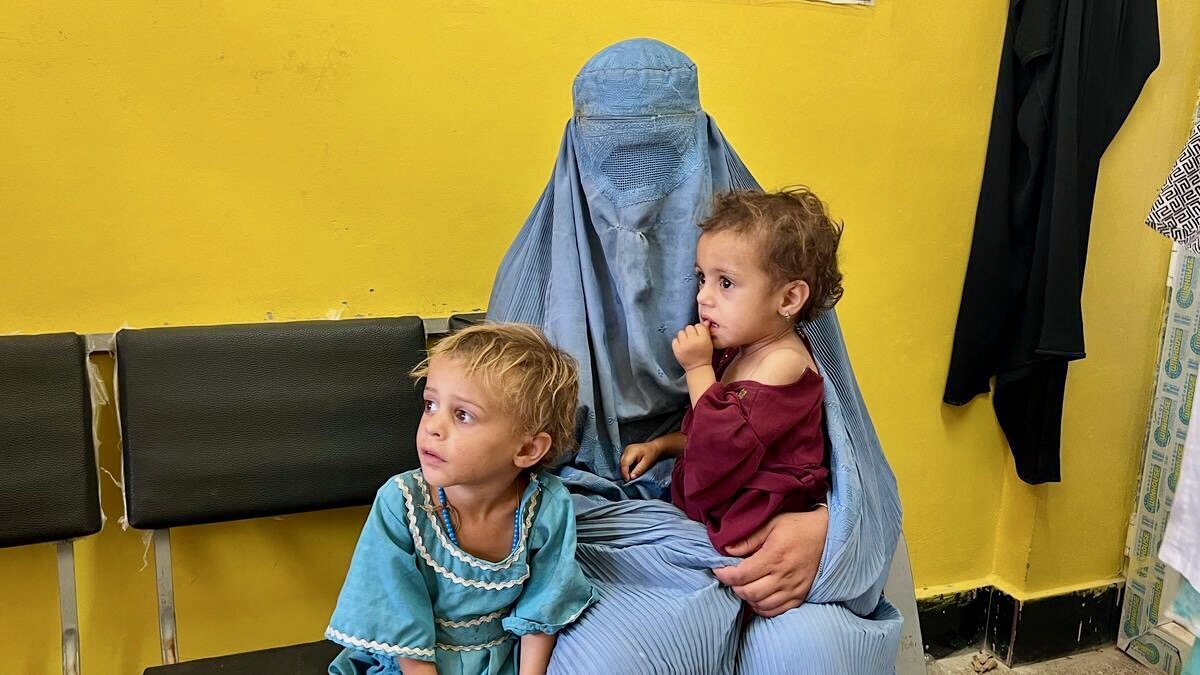
The consequences reach the youngest children. In WFP reporting published on 4 August, Sediqa, a mother of seven in southern Afghanistan, described feeding her children mostly bread and tea. Her husband earned about US$3 a day when work and his health allowed; half went on rent. Two of their girls were receiving nutritional supplements at a health centre.
In a separate 4 August warning, the World Food Programme said acute child malnutrition had reached critical levels in a record 12 provinces. It reported that disrupted supply routes and rising costs had left nearly one million malnourished mothers and children without essential nutrition services for five months. Those are findings from August, rather than a fresh October count.
The response is stretched. WFP’s Afghanistan emergency update says current resources allow it to reach only two million people with food assistance per month, down from four million last winter. It is seeking US$540 million for operations through January 2027, and says funding shortages are forcing clinics to turn away malnourished mothers and children.
The practical test is whether better harvests translate into meals, wages and reliable treatment. Families need an income that buys a varied diet, alongside nutrition services that can keep reaching them. Full stalls alone cannot tell us whether children are getting enough to eat.
Lead photograph: Sediqa and her daughters at a health centre in southern Afghanistan. Photo: WFP/Isheeta Sumra; published 4 August 2026, capture date not stated. WFP photo source.


