
The modern world bears little resemblance to the early days of tennis and the inaugural Wimbledon Championship.
In June 1877, a club organized a Gentlemen’s tennis tournament to fund the repair of its pony roller, needed for maintaining the lawns.
Delayed for 3 days by the British rain - it eventually took place in front of a crowd of around 200 people who had each paid an entry fee of one shilling. The winner received 12 guineas in prize money and a silver challenge cup, valued at 25 guineas. A modest prize compared with contemporary Grand Slam prize money.
The final, played over the best of five sets, lasted just 48 minutes. Men’s singles at the four Grand Slam tournaments still uses the longer format; women’s singles uses best of three.
At the 2025 Australian Open, the debate returned. Is the grueling best-of-5 sets format a testament to the greatness of the sport, or is it pushing players to the brink: compromising their health, longevity, and even tennis’ appeal to modern audiences?
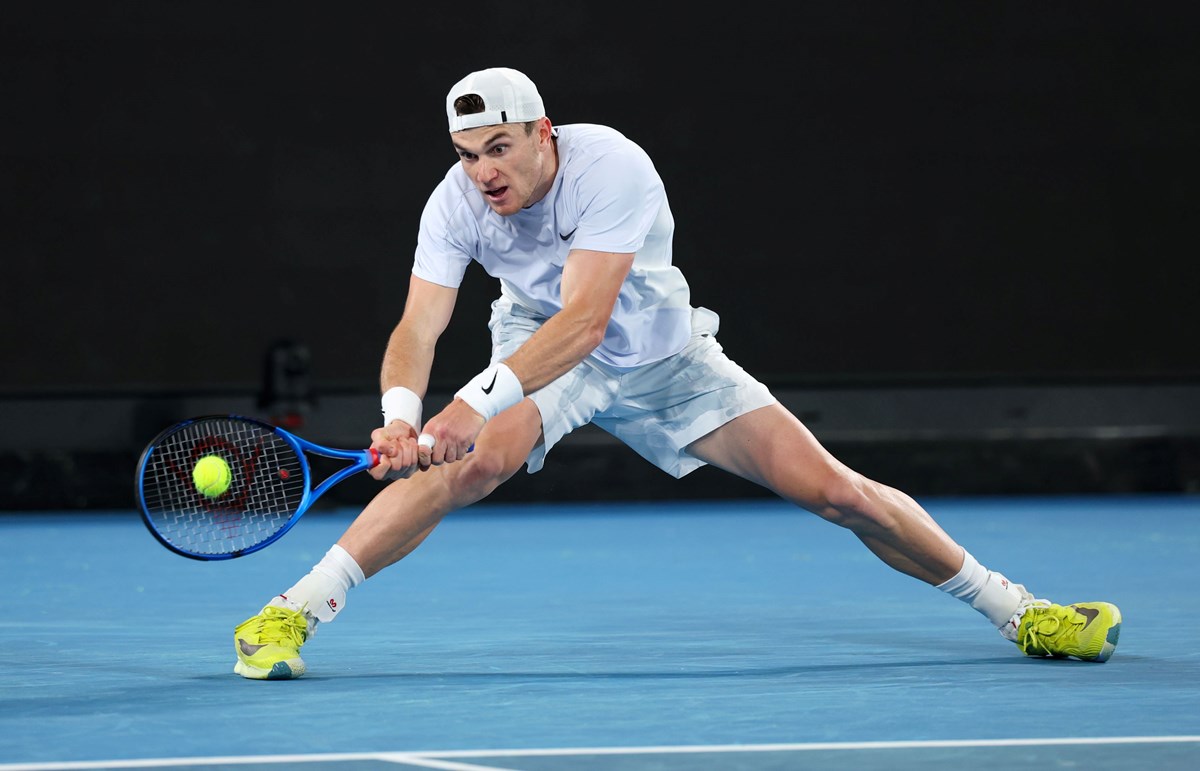
Matches now commonly exceed 4 hours, with that year’s notable performances coming from British No.1 and 15th seed Jack Draper who produced 3 show-stopping 5 set wins in a row. This included an epic 4-and-a-half-hour battle against Thanasi Kokkinakis before eventually needing to retire against Carlos Alcaraz in the fourth round with a suspected hip injury.
The sheer athleticism is exceptional but at what cost. Tennis great, Billie Jean King suggested the format could be accelerating the wave of injuries plaguing the game. As Billie Jean King said in 2018 while commenting on Djokovic and Nadal’s 2012 Australian Open final, “It took six hours. They could hardly walk off the court. I guarantee you that it took a year off their careers.” King’s remark was a judgement about the physical toll, not a measured estimate of career length. Djokovic’s epic victory over Nadal lasted five hours and 53 minutes – the longest Grand Slam final of all time and possibly the greatest match ever played. Djokovic commented in an earlier interview that “We took the last drop of energy from our bodies” leading to both players having to famously sit down for the prize giving ceremony.
Do we want the beautiful or brutal game? Players such as 2020 US Open Winner, Dominic Thiem sees the format as integral to Grand Slam prestige. Thiem added, “It’s tradition. It makes [the Slams] special.” Interestingly, Thiem would have lost his only Grand Slam title to Alexander Zverev in a best-of-3 format but he would have potentially salvaged the 2020 Australian Open title against Djokovic instead. Younger stars like Carlos Alcaraz also approve of the current format “I prefer five sets. I see myself as a really good player in the fifth set. I feel like I have more time to come back.”
There is no doubt that there is something heroic, almost brutal, about conquering an opponent over 5 sets but most tennis fans would probably accept that a standout match of 2024 was the Djokovic-Alcaraz Paris Olympics final. A quicker but no less thrilling best-of-3.
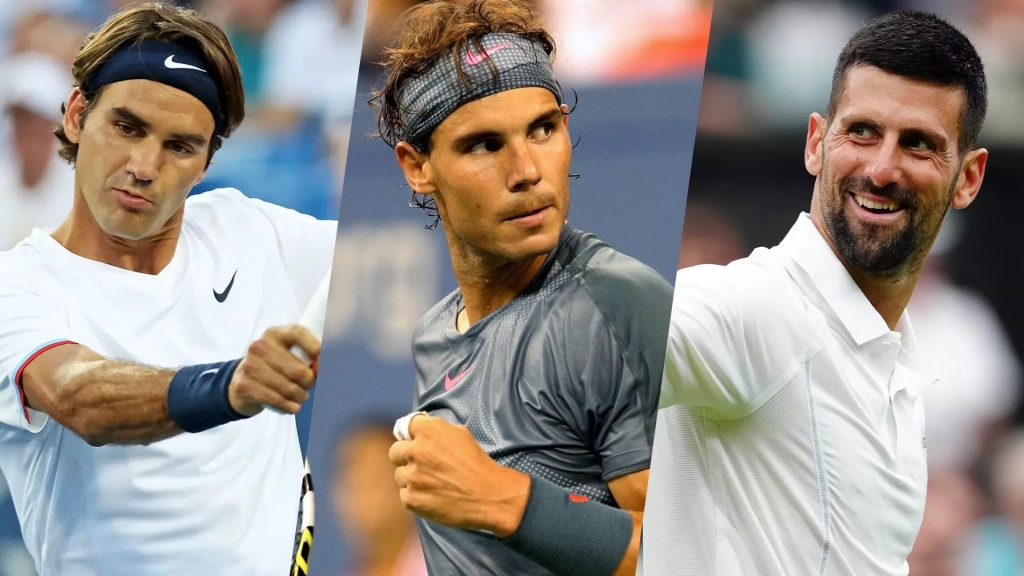
Would a shorter format have a profound impact on the legacy of the sport and how would tennis’ Big Three; Novak Djokovic, Roger Federer, and Rafael Nadal have performed in a best-of-3 world? To answer this question, we analyzed the first 3 sets of their recorded Grand Slam finals - Does Djokovic still come out on top with his record-breaking number of wins or is it Federer who reclaims the throne?
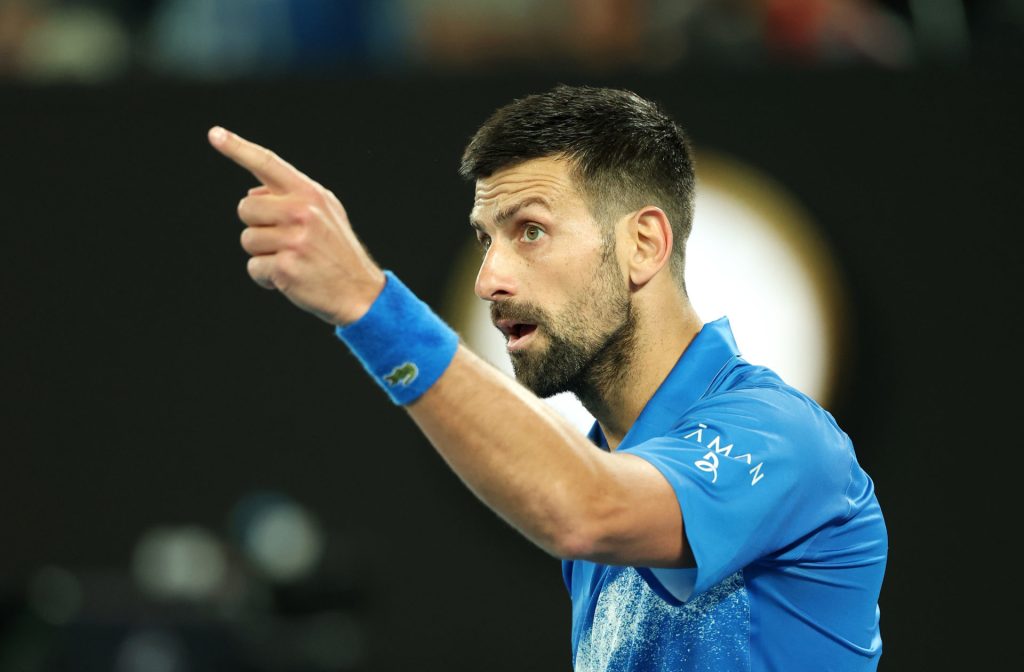
Novak Djokovic: −2 wins, GOAT status retained
The marathon man has won some of tennis’s most memorable five-setters, yet his GOAT status remains largely intact in a best-of-three world.
Dominic Thiem claims the 2020 Australian Open, which Novak won 6-4, 4-6, 2-6, 6-3, 6-4. Stefanos Tsitsipas would take the 2021 French Open, which Novak won 6-7(6), 2-6, 6-3, 6-2, 6-4.
Novak still leads the pack with 22 Slams, one ahead of Rafa and Roger, both tied on 21. His recorded finals win rate in this January 2025 sample of 37 finals falls from 64.9% to 59.5%.
Rafael Nadal: −1 win
The King of Clay would lose the 2022 Australian Open. Rafa was two sets down against Daniil Medvedev before pulling off one of his greatest comebacks, winning 2-6, 6-7(5), 6-4, 6-4, 7-5.
That takes Rafa from 22 titles to 21. Nadal has the highest recorded finals win rate in this sample of 30 finals: 73.3% in the actual results and 70.0% under the re-scoring.
Roger Federer: +1 win
Suave Roger increases his title count, taking the 2009 US Open final after leading Juan Martín del Potro 2-1 in sets. Del Potro ultimately won 3-6, 7-6(5), 4-6, 7-6(4), 6-2.
Federer is the only member of the Big Three who gains a title in this finals-only exercise. His total rises from 20 to 21 across 31 finals, and his recorded win rate moves from 64.5% to 67.7%.
Revised Results for the Big Three
The same finals. A shorter finish line. Here is how the recorded results change when each final is decided by its opening sets.
Novak
Djokovic
37 finals in the sample
−2 titles after re-scoring
Finals win rate
−5.4 percentage points
Rafael
Nadal
30 finals in the sample
−1 title after re-scoring
Finals win rate
−3.3 percentage points
Roger
Federer
31 finals in the sample
+1 title after re-scoring
Finals win rate
+3.2 percentage points
Is Tennis in a pickle?
The 5-set format has produced unforgettable moments and defined the legacies of Djokovic, Federer, and Nadal, whilst rewarding endurance and resilience. Yet, in an alternate best-of-3 world, the Big Three’s dominance remains largely intact, with Djokovic still leading the pack at 22 Grand Slams, Nadal and Federer tied at 21, making only subtle shifts to the history books in a Best-of-3 parallel reality. It seems that in the case of best-of-5 vs. best-of-3, statistically, there isn’t a major impact on the champions of the game like we might have expected. In this sample, two Djokovic wins change hands when the final is stopped at the first player to two sets. He trailed Thiem two sets to one in the 2020 Australian Open final and Tsitsipas two sets to love in the 2021 French Open final. Nadal’s 2022 Australian Open comeback also changes hands. These counts describe recorded finals, not the probability of a comeback or what different tactics would have produced.
Outside of the Big Three, a shorter format would have benefited players like Stefanos Tsitsipas, Alexander Zverev, and Dominic Thiem who would have claimed career-defining Grand Slam titles.
So is it time to switch? With an abundance of choice for entertainment, 5 hour matches may seem increasingly daunting to younger viewers. The pace of life has quickened since the first Wimbledon tournament in 1877 and attention spans have undoubtedly shortened in the TikTok era. Daniil Medvedev is a proponent of the shorter format: “People love epic matches, but many stop watching if the match drags.”
Djokovic who would have benefited the least from a revised format has championed reform, citing tennis’ relentless calendar. “We have the longest season of any sport. Shorter matches could help players recover and stay at their peak,”.
Some commentators have offered alternative solutions. Nick Kyrgios suggests “Best-of-3 until the quarterfinals would save energy and make the later rounds more intense. Best-of-5 can stay for the semis and finals.” John McEnroe thinks championship tie-breaks should replace fifth sets. “With so much choice for viewers, five-hour matches could turn fans off. We want this sport to grow, for God’s sake,”. In 2023 Wimbledon made the shift from best-of-5 to best-of-3 for Men’s doubles without causing much controversy, showing audiences are willing to adapt.
Grand Slams aside, the extension of ATP Masters 1000 events to 2 weeks has added further strain, with players like Stefanos Tsitsipas expressing concerns about the schedule. “Players aren’t getting the recovery or training time they need,”. The increasingly packed ATP schedule calls for changes to take the pressure off players. Is the real issue playing 5 sets or too many tournaments in the calendar?
Another major concern is increasing competition from emerging racket sports like Padel and Pickleball, which are gaining traction among casual players and celebrities alike. Djokovic has warned of the danger these sports pose to tennis at the grassroots level. “Tennis is the king or queen of racket sports, but on a club level, it’s endangered,” he said, citing the financial appeal of converting tennis courts to Padel. “You can build three Padel courts on one tennis court. It’s simple math.”
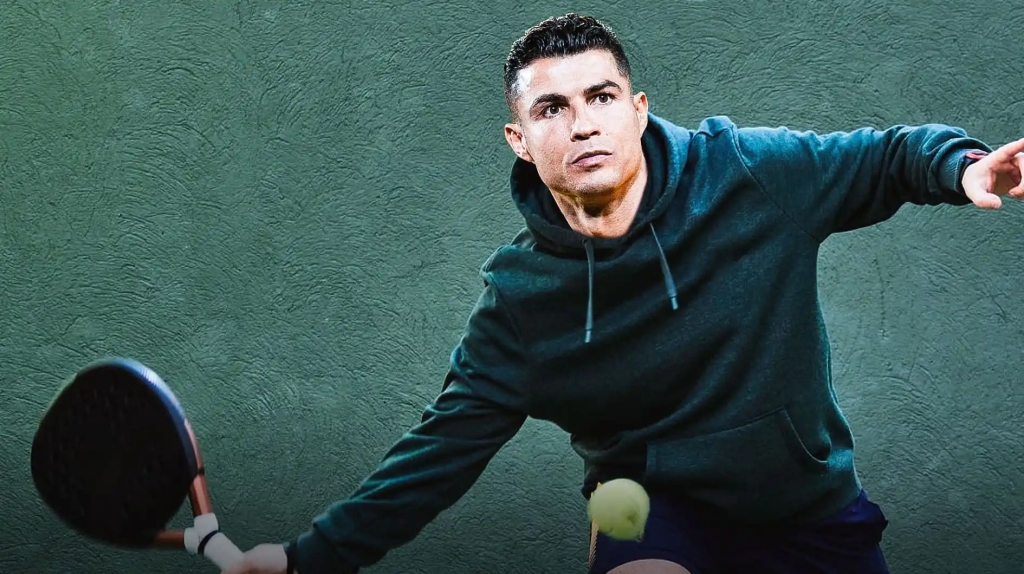
The appeal of Padel and Pickleball lies in their appeal to all levels and accessibility. Unlike tennis, these sports are less taxing on the body, making them a favorite among celebrities such as Cristiano Ronaldo, David Beckham, and the Kardashians. With Padel boasting 30 million players worldwide and Pickleball growing rapidly in the U.S. with 13.6 million players, these newer sports are drawing attention away from tennis at an alarming rate. Djokovic previously commented “If we don’t act collectively, Padel and Pickleball will overtake tennis clubs.”
As these newer sports grow in popularity, tennis faces pressure to remain relevant and appealing to modern spectators. Whether a shift to best-of-3 sets or another compromise is the answer, the sport must find a way to balance tradition with innovation. What’s clear is that no matter the format, Djokovic’s place in the history books is secure for now, in both worlds. Would shorter formats allow us to see our favorite players compete more often, remain injury-free, and extend their careers? Is it time for tennis to evolve, or is preserving tradition worth the cost? A decision that will likely shape the future of the sport - and its champions. After all, Tennis was introduced in 1875 by the Wimbledon Lawn Club to compensate for the waning interest in croquet! Adaptation is survival.
The Big Three, re-scored. What does it mean for tennis?
The five-set format has produced unforgettable moments and defined the legacies of Djokovic, Federer and Nadal, while rewarding endurance and resilience.
But in a best-of-three world, the Big Three still dominate. So does five-set tennis make enough of a difference to justify the immense physical toll on our beloved players?
Let us know what you think in the comments on @wdwk.news.
Author: Jack Jaworski, WDWK Originals.


