
Photo credits
Photo: Rocky Mountain Laboratories / NIAID / NIH / Public domain; resized and cropped.Source-based news explainer · Sources checked 5 October 2026.
Reports about a worker at a Russian anti-plague institute have prompted an obvious concern: has a dangerous infection escaped a laboratory? The information checked on 5 October 2026 supports a more limited account. The worker’s death and precautionary response were reported, while a pneumonic-plague diagnosis and the alleged laboratory accident remained unconfirmed. AP’s reporting distinguishes those points.
What was reported
AP reported a hospital quarantine in Shelekhov and monitoring of contacts. Russian officials described pneumonia of unknown cause, said testing had not detected work-related pathogens and denied finding a laboratory incident. Those are official statements, not independent proof of the cause.
Meanwhile, Euronews reported that the European Commission was monitoring the situation through health experts and the World Health Organization. The Commission said it did not then intend to convene a dedicated meeting or adopt emergency measures. Monitoring describes a response to uncertainty; it does not by itself confirm an outbreak.
Why the word plague causes alarm
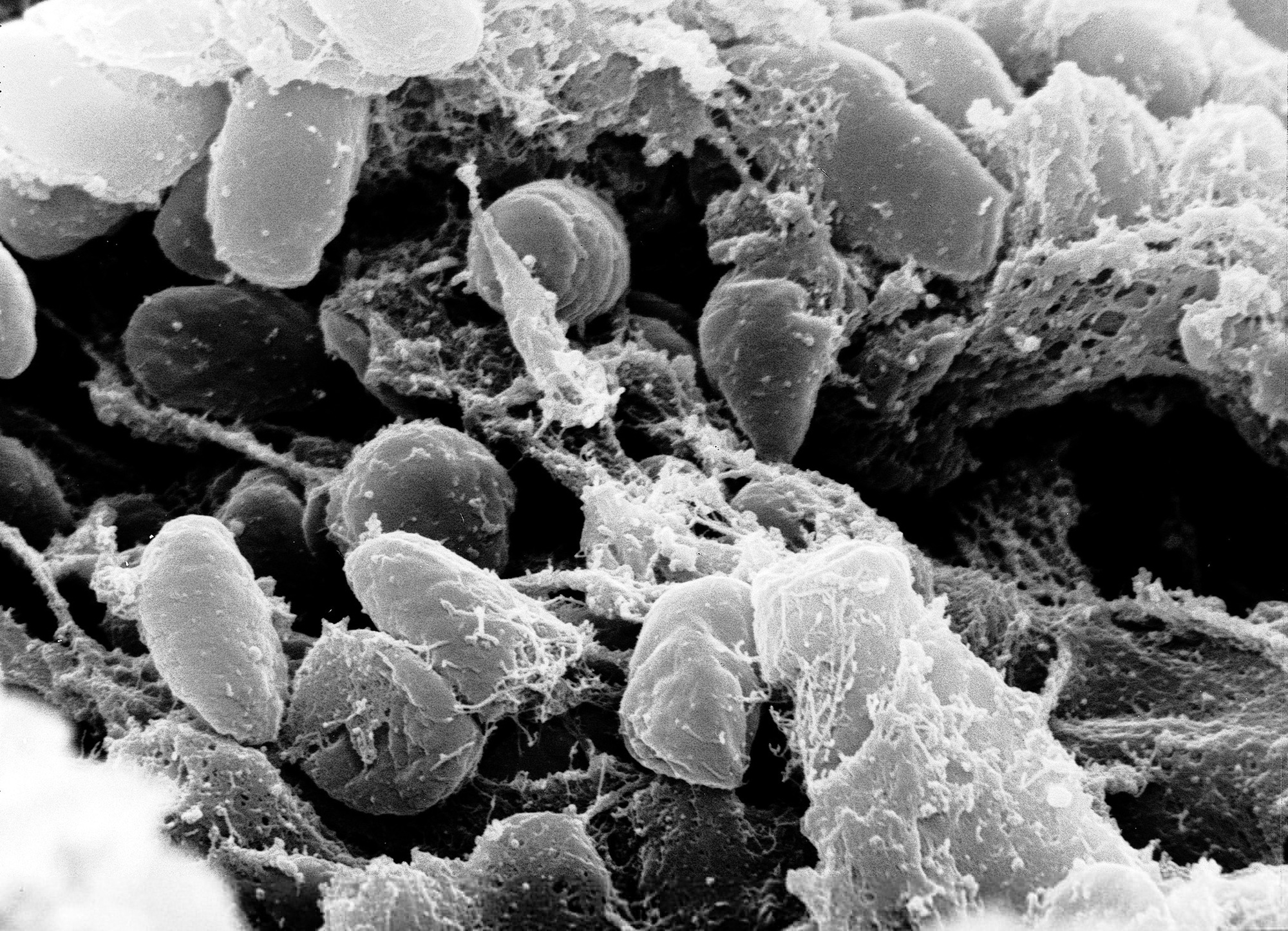
Plague is caused by Yersinia pestis, a bacterium usually associated with small mammals and their fleas. WHO distinguishes the more common bubonic form from pneumonic plague, which affects the lungs and can spread between people through infectious respiratory droplets.
WHO also says laboratory testing is needed to confirm plague. Antibiotics can be effective when the infection is detected and treated promptly. The historical associations of the disease therefore tell only part of the story: modern diagnosis and treatment are central to how it is managed.
The questions that would change the account
The decisive evidence would include an identified pathogen, a documented route of exposure and verified information about any additional related infections. A claim repeated across several outlets can still originate from one unverified account. Each should be traced to its source.
For now, the responsible reading is that an unexplained death at a specialist institute has triggered precautions and international attention. The response is real; the alleged cause needs evidence. This article records the reporting available on 5 October, rather than claiming to establish what happened inside the laboratory.



