
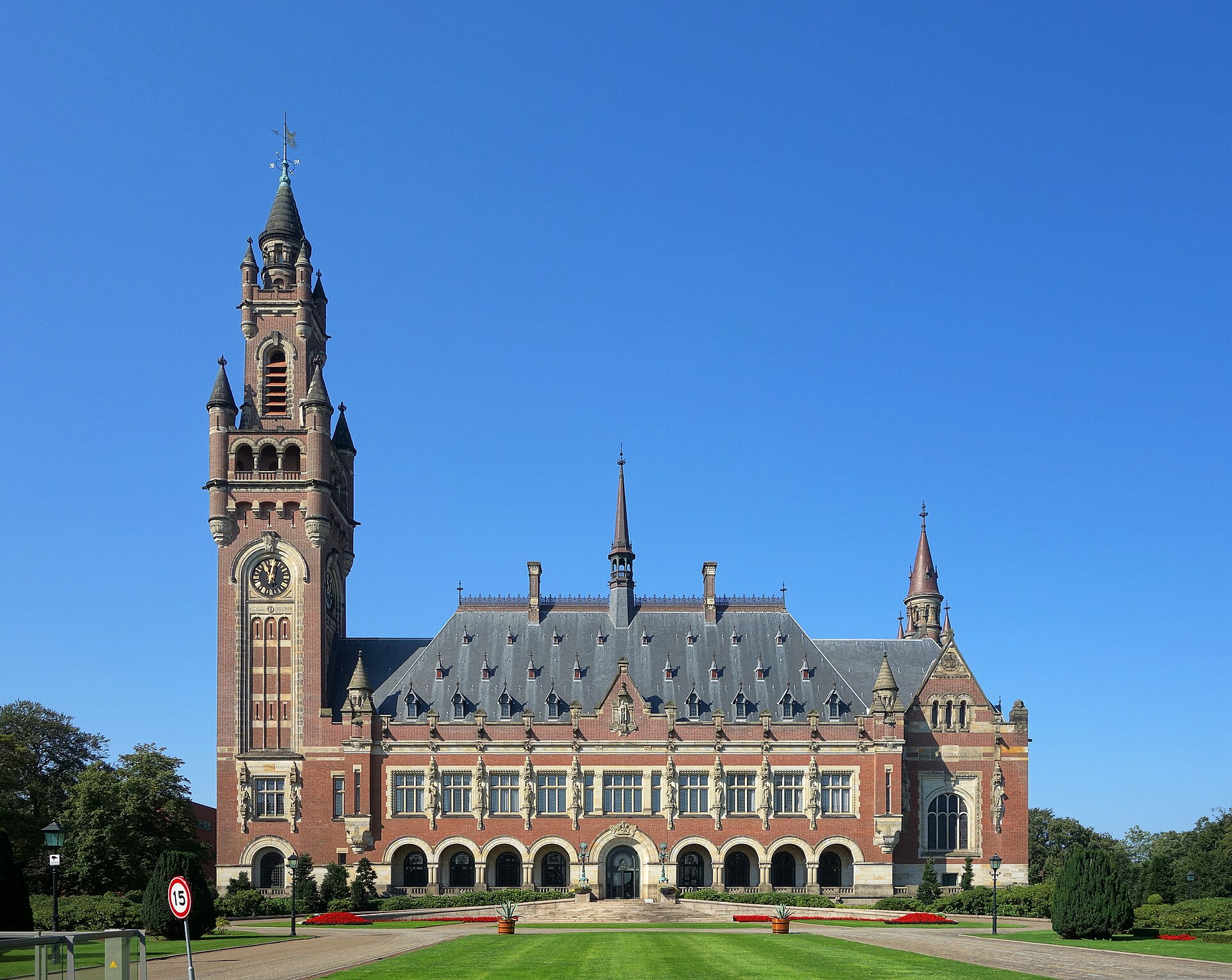
Photo credits
Photo: Velvet / resized and cropped; adapted image licensed CC BY-SA 4.0.The International Court of Justice’s climate opinion of 23 July 2025 brought a question of fairness into the centre of international law: what do states owe people and countries exposed to climate harm? Reuters reported that the unanimous opinion strengthened the case for holding major emitters accountable.
What the opinion changed
The court set out obligations to protect the climate under treaties and other international law. It also explained that breaches can engage state responsibility, with remedies depending on the legal conditions and evidence in a particular case. The court’s published opinion is the primary document.
This was an advisory opinion, rather than a judgment awarding damages to a particular country. It is not itself binding in the way a ruling in a dispute between states can be. Its importance lies in clarifying the duties and legal principles that future courts and governments may use.
Why it matters
Reuters traced the initiative to Vanuatu and young Pacific campaigners, whose communities face severe risks despite contributing relatively little to historic emissions. WDWK’s perspective is that this connects climate policy with dignity and responsibility: the people carrying the greatest costs deserve a voice in defining the response. Turning those principles into practical protection still requires decisions, funding and enforceable action.
Sources and reporting note
An original WDWK summary of the linked reporting and primary documents. Historical event dates are separate from this article’s publication date. Photography is credited above and provides archive or contextual illustration.



